Your Cart

Popular searches
Trending now Best sellers
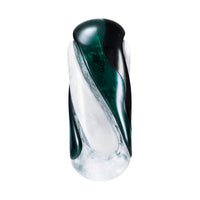 TengaTenga FLIP 360 Masturbator - Aurora Green
$230.84
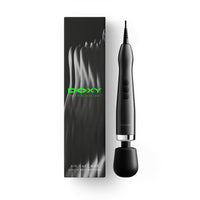 DOXYDoxy Die Cast Max Plug-In Wand - Black
$305.95
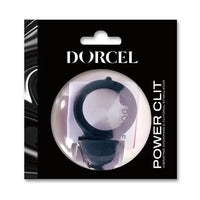 DorcelDorcel Power Clit Cock Ring Black
$16.99
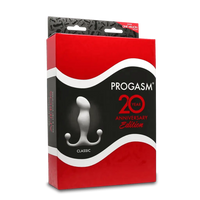 AnerosAneros Progasm Classic Prostate Massager – Satin
$79.09
 b-Vibeb-Vibe Vibrating Jewel Remote Control Plug
$150.92
 STRAP-ON-MEStrap On Me - Sliding Soft Realistic Dildo (Purple, Large)
$75.99
 OXBALLSOxBalls Tri-Squeeze Cocksling and Ballstretcher - Black Ice
$31.99
 ROMPRomp Remix Trio Cock Rings
$18.50
Shop by category


Five stripes, running from pale pink through deep purple to pale blue, make up the omnisexual flag, and the Flags Importer Omnisexual Flag prints the design across a 3 × 5 ft polyester sheet. Omnisexual people are attracted to people of all genders, while still noticing gender and often feeling it shapes who they're drawn to. That nuance is exactly why many prefer their own flag over the pansexual or bisexual designs.
How the omnisexual flag stripes are usually explained
The design is credited to an online artist known as pastelmemer and appeared in the mid-2010s. The creator never published a detailed key, so the meanings you'll read are community interpretations rather than an official statement. The most common reading goes like this: the strong pink stripe stands for attraction to women and femininity, the strong blue stripe for attraction to men and masculinity, and the very dark purple band in the centre for attraction to people whose gender sits outside those categories. The paler pink and blue at the top and bottom are often described as the wider gender spectrum.
That dark centre stripe is what makes the flag stand out at a distance. On the pole it reads almost black, which gives the softer pastel bands either side a lot of contrast.
Omnisexual, pansexual or bi?
The labels overlap, and plenty of people move between them. A simple way to put it: pansexual is often described as attraction regardless of gender, omnisexual as attraction to all genders with gender still playing a part, and bisexual as attraction to more than one gender. There's no test to pass. If the word feels right, the flag is yours to fly. If you're still deciding, it can help to look at the pansexual flag and the polysexual flag next to this one.
Using it as a party or photo backdrop
A 3 × 5 ft flag is a handy size for a pride party photo wall. Hang it by the two metal grommets on its header tape from a curtain rod or a length of string between two hooks, then pull the bottom corners slightly outward with painter's tape so the stripes sit straight on camera. The colour is dye-sublimated on one side and shows through to the back, so position the printed face toward the lens; it's the brighter of the two. Keep candles and string lights with hot bulbs a safe distance away, since polyester softens and melts with heat. Afterwards, fold it loosely along the stripe lines so the creases fall between colours.
Built to be handled
All four edges are double-stitched, and the fly end, the edge furthest from the pole, carries four rows of stitching, which is where flags usually start to fray first. Avoid hanging it from sharp nails pushed through the fabric itself; use the grommets so the pull goes into the reinforced header rather than the stripes.
Specifications
- Brand: Flags Importer
- Design: five horizontal stripes: light pink, pink, dark purple, blue, light blue
- Size: 3 × 5 ft (about 91 × 152 cm)
- Material: polyester
- Print: dye-sublimated on one side; the colour shows through to the back
- Hanging: header tape with two metal grommets
- Edges: double-stitched, with four rows of stitching on the fly end
For more identity flags, visit our LGBTQ+ Pride collection.
Frequently Asked Questions
Helpful answers about Omnisexual Flag 3'x5' Polyester.