


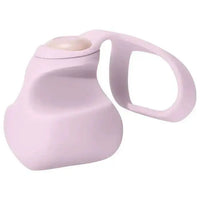

Sex toys are far more common than most people assume. In Indiana University research with more than 3,000 adults, 52.5% of women and 44.8% of men had used a vibrator. Yet the same worries keep coming up in our inbox: will it replace my partner, will it ruin my sensitivity, is it safe to share? Here are the nine misconceptions we hear most, and what the evidence and plain experience say about each one. If you're new to all this, our beginner-friendly toys are a good place to browse while you read.
Myth 1: Using a toy means your partner isn't enough
This is the big one, and it rarely matches how toys get used. In the same Indiana University research, 91% of straight men who had used a vibrator did so with a female partner, during foreplay or sex. Toys mostly show up in couples' sex rather than instead of it.
They also do things hands can't easily manage. A clitoral toy can stay in place during penetration, and a wearable vibrator like the Lovense Lush 4 lets a partner take over the controls from their phone. If your partner feels uneasy, it usually helps to choose the toy together rather than present it as a fix; our guide on how to talk to your partner about sex toys has openers that work. Our couples sex toys guide lists easy first picks.
Myth 2: Vibrators will permanently numb you
"Dead vagina syndrome" spreads easily online, but there's no medical research showing that vibrators cause lasting loss of feeling. In the Indiana study, 71.5% of women who used vibrators had never noticed any side effect, and the ones that were reported were rare and short-lived.
What can happen is brief numbness after strong vibration, much like numb hands after a long round of clapping. Scarleteen puts it at a few minutes to a few hours. If you notice it, turn the intensity down, put a layer of fabric between you and the toy, or switch to a different kind of touch for a while.
Myth 3: You'll get "addicted" and won't finish any other way
Enjoying a reliable vibrator isn't an addiction. What does happen is that you can get used to one very specific kind of stimulation, so other kinds feel slower by comparison. The fix is variety: change speeds and patterns, use your hands sometimes, and let a partner try things without the toy. Different toy types help too. An air-pulse toy such as the Womanizer Enhance feels nothing like a deep, rumbly wand, so switching between them keeps things from getting stuck in one groove.
Myth 4: Sex toys are mostly for women
Nearly half the men in that Indiana study had used a vibrator, and toys designed for penises are a large part of what people buy: strokers, vibrating cock rings, prostate massagers and app-controlled toys like the Lovense Gush 2 Motion. Browse our toys for him, or read the guide to male sex toys for a sense of the options by type.
Myth 5: Toys are either totally clean or totally risky
Both extremes are wrong. A toy that only you use and that you wash properly is no hygiene concern. A shared toy is different: it can carry an STI from one person to another if it isn't cleaned in between. Healthline's medically reviewed guide sums up the practical rules:
- Know your material. Silicone, glass, stainless steel and ABS plastic are non-porous and can be cleaned fully. TPE, jelly rubber and PVC are porous and can hold bacteria, so don't share them.
- Use a condom on shared toys, and a fresh one for each person.
- Wash before and after with warm water and mild soap or a toy cleaner, then let it dry fully before storing.
Our cleaning and care guide covers each material step by step.
Myth 6: Any lube works with any toy
Water-based lube works with almost every toy and every condom, which makes it the safe default. Silicone lube lasts longer, but it can slowly break down silicone toys, so do a spot test first or keep it for glass and metal. Oil-based products damage latex condoms. If you want the full pairing chart, our sex toy lube guide matches lube to toy, and the water-based lube collection is where most people should start.
Myth 7: A good toy has to be expensive
Price mostly buys features: rechargeable batteries, app control, quieter motors and longer warranties. It doesn't decide whether a toy is pleasant or safe to use. For a first toy, material matters more than the price tag. A simple silicone bullet or wand will serve you better than a cheaper jelly-rubber toy that can't be cleaned properly. If budget is the sticking point, code STUD12 takes 12% off any order of $50 or more; the student discount page explains how it works.
Myth 8: Toys are only for kinky people
Most toys people buy are vibrators, not restraints. A small vibrator used on its own is about as vanilla as it gets. If you do want to explore further later, that's fine too, but nothing about owning a toy commits you to anything. Our guide to choosing your first sex toy starts with what you already enjoy, not with labels.
Myth 9: Buying one is awkward or obvious
Shopping online removes most of the awkwardness. Our orders ship in a plain box with no product names on the outside, and your card statement shows Vamoson Inc. rather than the store name. There's no one to talk to at a till, and if you have a question before ordering, you can email support@dreamydesire.com and get a straight answer.
What should you read next?
For the upside of adding a toy, see the benefits of using sex toys. For materials, cleaning and storage in more depth, our toy safety and hygiene guide goes further. Or browse vibrators and couples' toys when you're ready to pick one.


