


Most hygiene problems with sex toys come down to two things: what the toy is made of, and how it's stored between uses. Get those right and cleaning becomes a two-minute habit rather than a worry. This guide explains which materials are easy to keep clean, which need extra care, how to store toys so they last, and the signs it's time to replace one. For the step-by-step washing routine, see our toy cleaning guide; for cleaning sprays and foams, browse the toy cleaner collection.
Porous vs non-porous: the one thing to check
A non-porous material has a sealed surface, so soap and water can reach everything. A porous material has microscopic gaps that can hold moisture and bacteria even after washing. That single difference decides how you clean a toy, whether you can share it, and how long it will last.
| Material | Porous? | What it means for you |
|---|---|---|
| Silicone | No | Washes clean with soap and water. Keep silicone lube off it unless the maker says it's fine. |
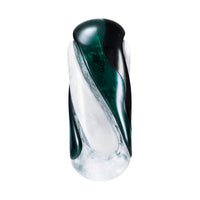
| Glass | No | Very easy to clean, works with any lube. Check for chips before each use. |
| Stainless steel and aluminium | No | Easy to clean, works with any lube, and holds warmth or cold well. |
| ABS plastic | No | Common on vibrator handles and bullets. Easy to wipe clean. |
| TPE and TPR | Yes | Soft and stretchy, common in strokers. Fine for one person; wash and dry carefully, and don't share. |
| Jelly rubber and soft PVC | Yes | Hardest to keep clean. Some use phthalate softeners, so check the listing for "phthalate-free". |
| Realistic "skin" blends | Yes | Lifelike feel, but needs gentle washing, thorough drying and the maker's renewing powder. |
If a listing doesn't say what a toy is made of, ask before you buy. Our silicone and glass collections are the simplest places to start if easy care matters most to you.
Is silicone safe? Is TPE safe?
These are two of the most common questions we get. Silicone is non-porous, holds up well and is the most common material for toys that go inside the body. TPE is a softer, cheaper material that feels great in strokers and sleeves. It isn't unsafe, but because it's porous it needs more care: wash it after every use, dry it completely, and keep it for one person. If you share a TPE toy, use a fresh condom over it for each person, as Healthline's medically reviewed guide recommends.
Keeping things hygienic, before and after
- Wash your hands first, then wash the toy before and after use.
- Dry toys completely. Moisture left in seams or inside a sleeve is what lets bacteria grow.
- Use a condom on shared toys, and a new one for each person or each switch between anal and vaginal use.
- Charge or remove batteries before cleaning, and only submerge a toy if it's listed as waterproof.
Which lube is safe with which toy?
Water-based lube is the safe default: it works with every material and every condom. Silicone lube lasts longer and suits glass, metal and shower play, but it can slowly damage silicone toys, so spot-test it on the base first. Oil-based products break down latex condoms and can damage soft materials. Our sex toy lube guide has the full pairing chart, and most people should start with the water-based range.
How to store sex toys
Storage is where many toys get damaged without anyone noticing.
- Keep materials apart. Soft jelly and TPE toys can react with silicone when they touch for long periods, leaving tacky or melted spots on both.
- Use a pouch or a lined box. A fabric bag such as the Dame Stash pouch keeps dust and lint off, and a lockable case like the Dorcel Discreet Box adds privacy if you share your home.
- Somewhere cool, dry and out of the sun. Heat and light age soft materials faster.
- Store it fully dry, never straight out of the shower.
- Top up the charge every couple of months on rechargeable toys you don't use often, so the battery doesn't drain completely.
When to replace a toy
Even a well-cared-for toy doesn't last forever. Replace it if you notice:
- Cracks, tears or chips, especially on glass or around seams.
- A sticky or tacky surface that washing doesn't fix.
- A smell or discolouration on a porous toy that won't wash out.
- A damaged charging port or a motor that cuts in and out.
And if a toy ever causes irritation, stop using it. If the irritation doesn't settle, check in with a doctor or a sexual health clinic.
What should you read next?
For worries about sharing, numbness and other common concerns, our sex toy myths article answers them with research. New to toys altogether? Start with choosing your first sex toy.


