


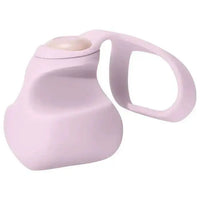

Sexual wellness is a broad phrase for something quite practical: knowing how your body responds, feeling comfortable during sex, and having the information and support to change things when they don't feel right. This guide covers the questions women ask most often, from how orgasm actually works to dryness, changing desire and pain, plus how toys fit in. It's general information, not medical advice; where a doctor is the right next step, we say so. If you'd like to browse as you read, start with our sex toys for her.
Most women need clitoral stimulation, and that's normal
A lot of worry comes from expecting orgasm from penetration alone. Research suggests that's the exception. In a study of 1,055 women published in the Journal of Sex & Marital Therapy, only 18.4% said intercourse alone was enough to orgasm. Another 36.6% needed clitoral stimulation during intercourse, and 36% said it made orgasm better even if it wasn't essential.
The clitoris is far bigger than the visible tip, with internal structures that wrap around the vaginal opening, which is why pressure, rhythm and angle all matter. Knowing this changes the question from "what's wrong with me?" to "what kind of touch works for me?". Hands, a partner, or a clitoral toy can all be part of the answer.
Desire that comes and goes is normal too
Many women don't feel desire out of nowhere. Researchers describe two patterns: spontaneous desire, which shows up on its own, and responsive desire, which builds once touch and closeness have started. A Canadian research summary from SIECCAN notes that some women feel arousal first and desire second, and that intimacy, warmth and communication are major contributors to women's desire.
So "I'm never in the mood first" isn't a fault. It can help to plan time for intimacy rather than waiting for desire to arrive, and to notice what actually helps: less stress, more time, a different kind of touch. If low desire bothers you and has lasted a while, it's worth raising with a doctor, as stress, medication, hormones and mood can all play a part.
Dryness and comfort
Needing lube doesn't mean anything is wrong. Natural lubrication varies with arousal, the menstrual cycle, stress, some medications and life stages such as breastfeeding and menopause. A good water-based lube makes sex more comfortable and works with condoms and every toy material. Our water-based lubes are the easiest place to start; if you're sensitive, look for short ingredient lists.
Around menopause, dryness can become more persistent. HealthLinkBC describes the options: lubricants for sex, vaginal moisturizers used regularly, and low-dose vaginal estrogen from a doctor. It also advises avoiding petroleum jelly. If dryness is ongoing, a doctor or pharmacist can help you choose.
Pain during sex isn't something to push through
Occasional discomfort from rushing or too little lube is common. Regular or sharp pain is different, and it has many possible causes, from infections and skin conditions to tight pelvic floor muscles. Please see a doctor rather than putting up with it. Many people also benefit from a pelvic floor physiotherapist, a specialist many women don't know exists. Toys and lube can make sex more comfortable, but they aren't a treatment for pain.
Exploring on your own
Solo exploration is one of the simplest ways to learn what you like, without anyone else's expectations in the room. A few starting points by type:
- Air-pulse toys such as the Womanizer Next or the lower-priced Womanizer Enhance use gentle suction-like pulses around the clitoris instead of direct vibration.
- Curved internal vibrators like the LELO Liv 3 are shaped for G-spot exploration.
- Wearable vibrators such as the Lovense Lush 4 work solo or with a partner holding the app.
Our guide to sex toys for women by type and budget compares more options.
Talking with a partner
Sharing what you've learned is often the step that changes partnered sex the most. Saying "I need clitoral touch to finish" or "can we slow down" is information, not criticism. If it feels awkward to start, our guide on how to talk to your partner about sex toys has openers that work just as well for any request.
Checkups and safer sex
- Regular sexual health checkups and STI testing when you have a new partner.
- Condoms on shared toys, with a fresh one for each person.
- Toys you can keep clean. Our materials and hygiene guide explains which materials are easiest.
What should you read next?
If you're choosing a first toy, see choosing your first sex toy. For common worries about numbness, sharing and more, read our sex toy myths article.


